What Is Clean Label Food? A Practical Guide for Foodservice Operators
“Clean label” appears on supplier pitch decks, menu trend reports, and procurement RFPs with increasing frequency — but it’s not a regulated term with a legal definition. For foodservice operators trying to evaluate products and communicate with guests, the ambiguity is a real problem.
Here’s what clean label actually means in practice, and how to apply it operationally.
The Working Definition
Clean label in foodservice generally means: a short ingredient list composed of recognizable, whole-food ingredients with no artificial flavors, no artificial colors, no artificial preservatives, and no additives that a non-food-scientist wouldn’t recognize. It’s a consumer-facing concept that signals ingredient transparency and minimal processing.
It does not mean organic (though the two often overlap). It does not mean allergen-free (though clean-label products often avoid common allergens). It does not mean low-calorie. It means: the ingredient list is something your guests would recognize and feel good about.
Why Operators Are Being Asked About It
Three guest segments are driving the clean label conversation in foodservice: GLP-1 medication users who are ingredient-conscious by necessity, younger diners who read labels as a default behavior, and health-system guests (hospital cafeterias, university wellness programs) where the institution’s health credibility is on the line.
All three segments are growing. And unlike some food trends, ingredient transparency is structural — once guests start reading labels, they don’t stop.
How to Evaluate a Supplier’s Clean Label Claims
Ask for the full ingredient list, not just the label claim. Count the ingredients — fewer is generally better, but what matters more is recognizability. “Cashews, water, nutritional yeast, salt, spices” is clean. “Modified food starch, disodium phosphate, sodium hexametaphosphate, artificial flavors” is not, regardless of what the front of the package says.
Ask whether the product contains artificial preservatives. Ask about the thickening agents. Ask about natural flavor — “natural flavor” is a legal category that can contain hundreds of compounds; some operators consider it borderline clean label, others don’t.
How to Use Clean Label in Guest Communications
Be specific: “made with whole cashews,” “no artificial flavors or colors,” “five ingredients.” Vague language (“wholesome,” “natural”) is losing credibility with ingredient-literate guests. Specific, verifiable claims build trust.
FAQ
Is “natural” the same as “clean label”?
No. “Natural” is an FDA-regulated term with a specific (and somewhat loose) definition. Clean label is a consumer expectation concept, not a regulatory one. A product can be “natural” and still contain additives that savvy guests would consider not clean label.
Do clean label products cost more?
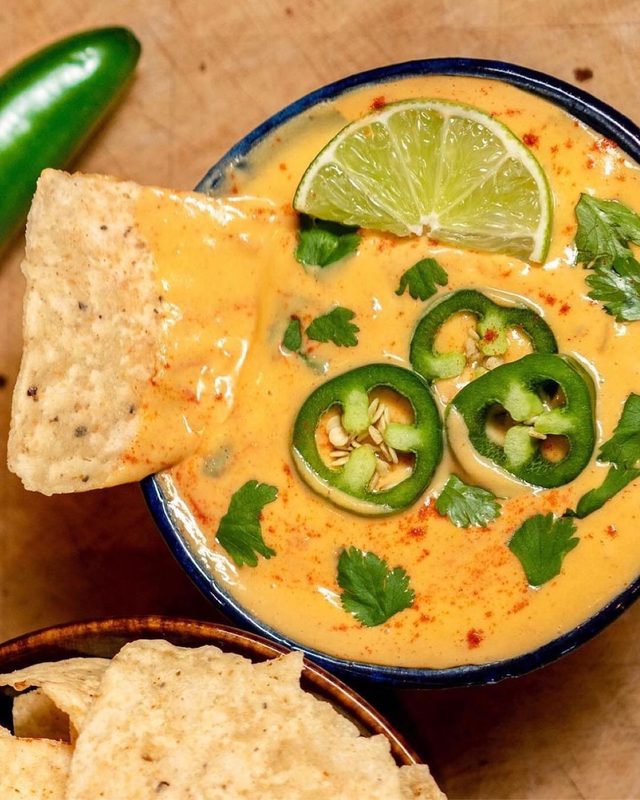
Sometimes, but not always. A shelf-stable, plant-based cheese sauce made from whole cashews may have comparable food cost to a conventional processed cheese sauce when you account for spoilage and cold chain costs.
How do we communicate clean label on menu boards without cluttering them?
One callout per item maximum: “whole food ingredients” or “clean label” as a badge. Detailed ingredient information can live on a QR code or supplementary menu card for guests who want to dig deeper.