GLP-1 Friendly Catering Menus: How to Serve Every Guest at the Table
At any corporate dinner or social event in 2026, a meaningful percentage of guests are on GLP-1 medications. They eat smaller portions. They’re more ingredient-conscious. And they’re quietly navigating a buffet or plated menu that wasn’t designed with them in mind.
Catering menus built to serve GLP-1 users don’t need a separate GLP-1 section. They need ingredient decisions that make the whole menu work better for guests who are eating differently.
What GLP-1 Users Need at a Catered Event
Portion flexibility. GLP-1 users eat less — period. At a buffet, this isn’t an issue; they self-select. At a plated dinner, half-finished plates aren’t waste — they’re expected. Understanding this helps with quantity planning.
Clean ingredients. GLP-1 medications can cause nausea and GI discomfort when paired with ultra-processed foods. Guests on these medications are acutely aware of ingredient quality and will often skip or minimize items they suspect contain artificial additives.
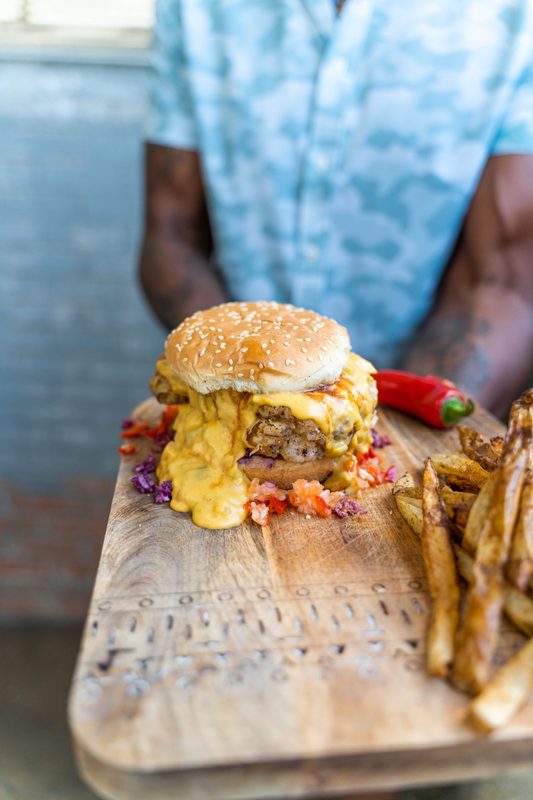
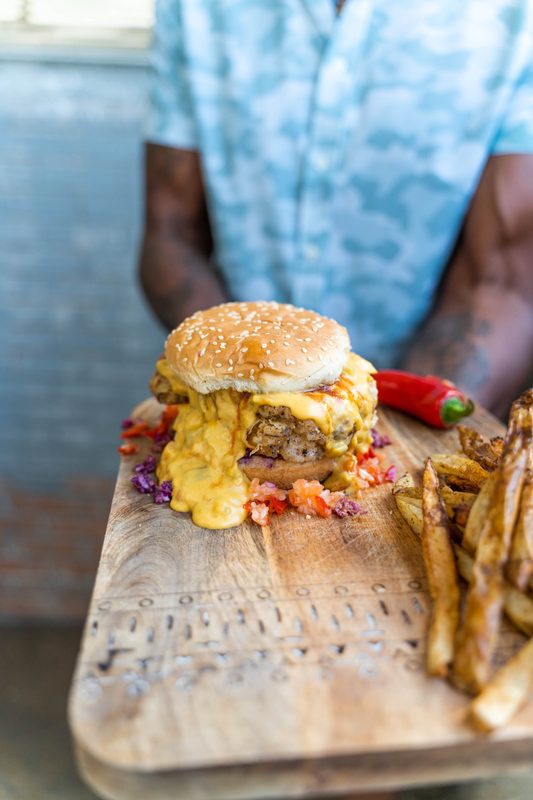
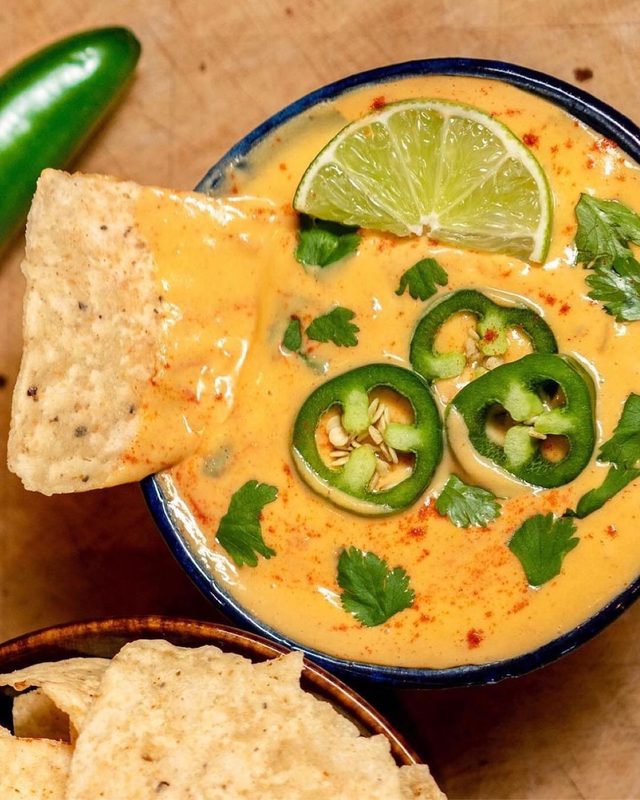
Lower calorie density. A 50-calorie cheese sauce versus a 100-calorie conventional option matters when you’re eating a quarter of what you normally would. Clean-label, plant-based sauces let GLP-1 users participate in the cheese station without the calorie math being prohibitive.
Menu Design Principles That Serve GLP-1 Users
Whole food bases over processed ones. Sauces made from cashews, oats, or legumes rather than processed dairy and thickeners. Protein-forward dishes. Vegetable-forward sides. Reasonable portion sizing with the option to take less.
None of these principles conflict with a great catering menu. They make the menu better for every guest — not just the GLP-1 users.
How to Note It in Your Menu Without Making It Clinical
“Made with whole food ingredients” is the right language for a menu or proposal. It communicates the relevant quality signal without requiring guests to self-identify their medication status. “Clean label” works too. “GLP-1 friendly” is accurate but too clinical for a wedding or corporate dinner menu — save it for healthcare conference catering where the audience will appreciate the specificity.
FAQ
Should we offer smaller portion sizes as a standard option?
For plated dinners, a half-portion option at a slight price reduction is increasingly common and appreciated. For buffets, self-selection handles this naturally.
How do we brief service staff on GLP-1 dietary needs?
Staff don’t need a clinical briefing — they need to know which items are made with clean, whole-food ingredients and be able to answer that question accurately when guests ask. That’s a standard ingredient knowledge briefing.
Does accommodating GLP-1 users require a premium charge?
No — the accommodations are ingredient-level decisions that don’t require additional labor or equipment. The cost difference, if any, is in the ingredient itself.