It’s National Nutrition Month, and if there’s one thing dietitians, food scientists, and your own gut are all agreeing on right now, it’s this: fiber is the nutrient of the moment. Move over, protein. Step aside, collagen. Fiber — the humble, unglamorous workhorse found in vegetables, legumes, whole grains, and seeds — has finally claimed the spotlight. And it’s about time.
You may have seen the term “fibermaxxing” popping up on social media: the practice of intentionally loading up on fiber-rich foods at every meal. But this isn’t just a TikTok trend. It’s rooted in a growing body of science that shows fiber diversity and quantity are two of the most powerful levers we can pull for long-term health.
What Exactly Is Fibermaxxing?
Fibermaxxing means being intentional about maximizing your daily fiber intake by choosing whole, minimally processed foods that naturally contain it. But beyond just counting grams, the cutting-edge conversation is now about fiber diversity — feeding the hundreds of different bacterial species in your gut with a wide variety of fiber types from different plant sources.
According to leading nutrition researchers, fiber diversity may:
- Improve insulin sensitivity and blood sugar regulation
- Reduce systemic inflammation
- Support a stronger, more resilient gut microbiome
- Lower risk of heart disease, colorectal cancer, and Type 2 diabetes
- Promote satiety and support healthy weight management
Why Ultra-Processed Foods Are the Enemy of Your Fiber Goals
Here’s the uncomfortable truth: most Americans get only about half the recommended daily fiber intake (25–38g/day), largely because ultra-processed foods have stripped fiber out of the equation. When whole grains become white flour, when vegetables become powdered flavorings, and when legumes are replaced by artificial fillers, fiber disappears — and so does its benefit to your health.
This March, the FDA is actively working to define “ultra-processed foods” at a regulatory level, and over 25 states have proposed legislation related to food additives. The tide is turning. Consumers aren’t just looking at calories or protein anymore — they want to know what’s actually in their food.
How Credo Foods Fits Into the Fiber Story
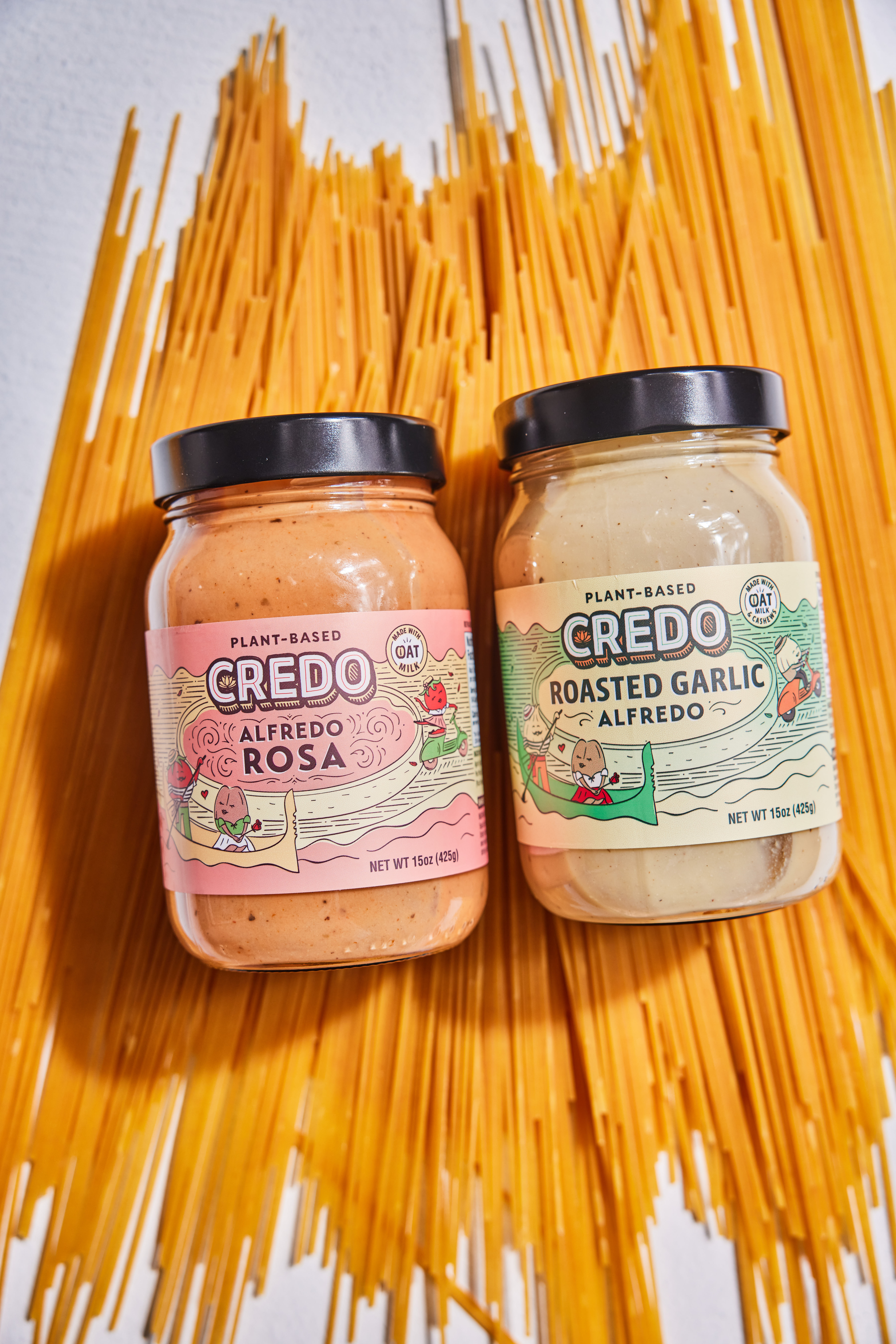
At Credo Foods, we’ve always believed that what you put in your body should be recognizable, clean, and real. Our products are built around whole-food ingredients — which means fiber comes built in, naturally. We’re not adding isolated fiber powders as an afterthought; we’re starting with ingredients that have fiber as a native part of their makeup.
5 Easy Ways to Start Fibermaxxing Today
You don’t need a dramatic diet overhaul — just smarter swaps and additions:
- Add legumes to every meal. A ½ cup of lentils or chickpeas gives you 7–9g of fiber. Toss them into salads, soups, grain bowls, or even scrambled eggs.
- Go for whole grains, always. Swap white rice for farro, quinoa, or brown rice. Swap white bread for 100% whole grain. Simple swaps, big fiber gains.
- Eat the rainbow of plants. Different plants feed different gut bacteria. Aim for 30+ different plant foods per week — including herbs, spices, teas, and nuts.
- Snack on seeds and nuts. Hemp seeds, chia seeds, and flaxseeds are fiber powerhouses that mix into practically anything.
- Read your labels. Choose products with whole-food ingredient lists and visible fiber grams. If an ingredient list reads like a chemistry textbook, it probably isn’t fibermaxxing-friendly.
💡 Pro Tip: Don’t Forget the Flavor
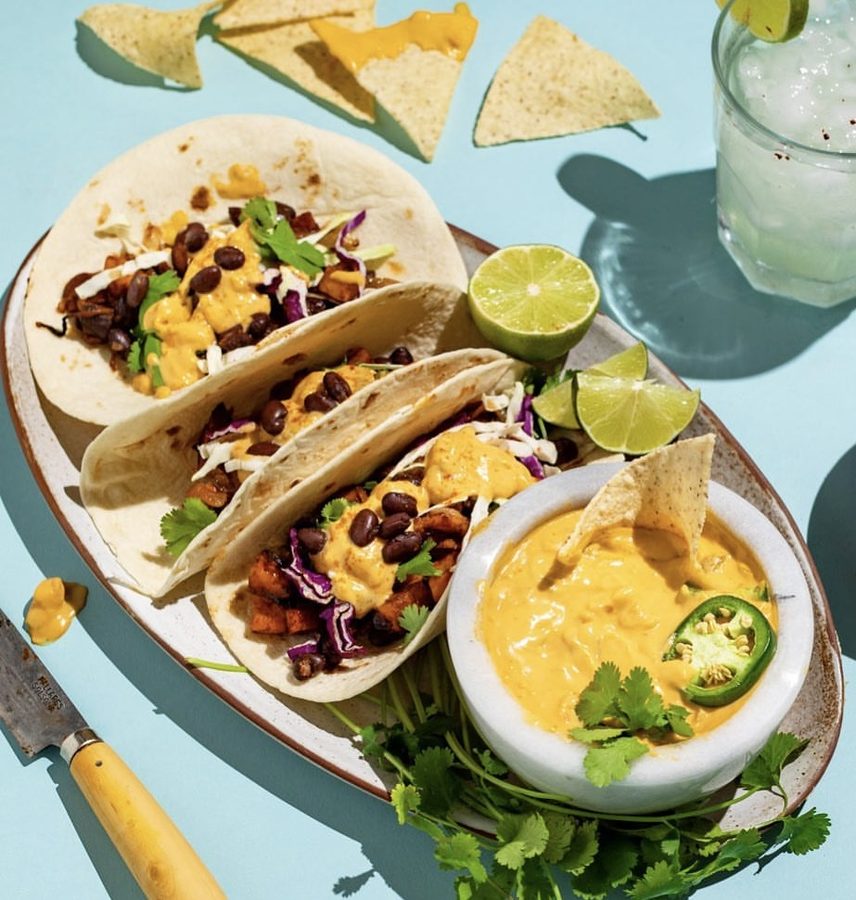
Eating more fiber doesn’t mean eating boring. Make sure to add flavor to your whole-food meals — and we’ve got you covered. Our Oatmilk Queso Blanco is made with clean, plant-based ingredients and pairs perfectly with the fiber-rich foods you’re already adding to your plate. Think: veggie tacos, grain bowls, roasted cauliflower, or just a really good chip situation. Flavor and function — no compromise.
The Bottom Line
The best nutrition trend is always the one rooted in food that actually looks like food. This National Nutrition Month, we’re celebrating fiber — not as a trend, but as a return to how eating was always meant to be: whole, varied, and plant-forward.
Eat more plants. Eat a wider variety of them. And when you reach for a packaged food, make sure it’s one that started with real ingredients. Your gut microbiome will notice the difference — and so will the rest of you.