The Best Macro-Friendly Condiments: Low-Calorie, High-Flavor Sauces and Dips
In this guide
You are hitting your calorie ceiling by 7pm and the culprit is not the chicken breast. It is the two tablespoons of ranch you added to every meal. Condiments are the most overlooked macro sink in most people’s diets. A standard serving of caesar dressing is 150 calories. A tablespoon of butter-based alfredo is 100 calories. None of that registers in the planning phase.
This guide covers what to look for in a macro-friendly condiment, what to avoid, and which specific products and categories give you the most flavor per calorie.
What Makes a Condiment “Macro-Friendly”?
A macro-friendly condiment follows a simple framework. Under 50 calories per serving is the benchmark. Under 5 grams of fat is ideal for pure calorie control, though whole food fats at low total calories are fine. Under 5 grams of sugar matters because many condiments hide 4 to 6 grams of added sugar per serving without you noticing it on the label.
Beyond the numbers, watch for hidden carb bombs. Maltodextrin, corn syrup solids, and dextrose show up in “reduced fat” dressings to replace the flavor that fat provides. Avoid these fillers. The goal is maximum flavor for the calorie budget, not minimum flavor.
Conventional dairy-based sauces tend to be calorie-dense at 50 to 150 calories per serving. Cashew or oat-based alternatives deliver 30 to 40 calories per serving. The reason is simple: whole food fats from nuts are denser in flavor but more efficient calorically than heavy cream.
Made from real, whole-food ingredients when possible. A condiment that delivers 30 calories of actual food is better than one that delivers 20 calories of corn syrup and gum. If the ingredient list reads like a chemistry experiment, the calories are probably hiding somewhere.
The 5 Macro-Killers in Regular Condiments
1. Seed oils. Soybean, canola, and sunflower oils are 120 calories per tablespoon. They show up in almost every conventional dressing, dip, and spread. A single serving (2 tablespoons) of ranch can contain 80 to 100 calories from oil alone. For macro trackers, seed oils are the biggest silent calorie bomb in the condiment aisle.
2. Added sugar. Ketchup, barbecue sauce, and teriyaki can run 4 to 8 grams of sugar per serving. High-fructose corn syrup is the most common form. That sugar adds up fast when you are using condiments on multiple meals per day. A single tablespoon of ketchup is 4 grams of sugar.
3. Heavy cream and cheese bases. Even a “light” alfredo can hit 80 to 100 calories per serving from dairy alone. Full-fat conventional versions run 120 to 150 calories per serving. The cream and cheese base is why traditional alfredo is so calorie-dense.
4. Maltodextrin and dextrose. These are hidden sugars used in “low fat” dressings to replace the flavor of fat. They taste like nothing but digest like sugar. A dressing labeled “fat-free” or “light” will often contain more total carbs than the regular version.
5. “Fat-free” labels. The nutrition label trick: fat is removed and replaced with sugar and starch. The calorie count often stays the same or goes higher. Fat-free dressing is not your friend in macro tracking because the label savings are made up in carbs.
Macro-Friendly Condiments Compared
The table below compares Credo products to the conventional version of the same condiment category. Credo’s lineup uses whole food fats from cashews and oats, with no dairy and no seed oils. Conventional averages are based on USDA FoodData Central and a 5-SKU category sample.
| Condiment | Calories | Fat | Seed Oils | Added Sugar | Macro Score |
|---|---|---|---|---|---|
| Credo Oat Milk Queso (Medium) | 30 | 1.5g | None | <1g | Excellent |
| Conventional jarred queso (avg) | 90 | 7g | Soybean | 2-4g | Poor |
| Credo Cashew Queso Blanco | 35 | 2g | None | <1g | Excellent |
| Conventional nacho cheese sauce (avg) | 80 | 6g | Soybean/Canola | 2g | Poor |
| Credo Roasted Garlic Alfredo | 40 | 2g | None | 1g | Excellent |
| Conventional jarred alfredo (avg) | 100 | 8g | Sometimes | 1-2g | Poor |
| Hot sauce (vinegar-based, generic) | 0 | 0g | None | 0g | Excellent |
| Mustard (yellow, generic) | 0 | 0g | None | 0g | Excellent |
| Ketchup (conventional, avg) | 20 | 0g | None | 4g | Poor |
| Ranch dressing (conventional, avg) | 130 | 13g | Soybean | 2g | Poor |
| Caesar dressing (conventional, avg) | 150 | 15g | Soybean | 1g | Poor |
| Balsamic vinaigrette (conventional, avg) | 70 | 6g | Canola | 3g | Poor |
Note: Conventional averages based on USDA FoodData Central and 5-SKU category sampling.
Best Picks by Use Case
For Salads and Bowls
Olive oil and lemon juice is the gold standard for a DIY dressing. Vinegar-based dressings are next. Salsa works as a dressing substitute at 15 calories per 2 tablespoons with tons of flavor. Hummus can be thinned with water or lemon juice and used as a bowl base.
Avoid conventional ranch, caesar, and blue cheese dressings. These run 130 to 150 calories per serving with heavy seed oil bases. The macro cost is not worth it when you have better options.
For Chicken and Protein
Hot sauce is your best friend here. Vinegar-based hot sauces deliver maximum flavor for near-zero calories. Yellow or Dijon mustard is zero calories and adds brightness. Credo Roasted Garlic Alfredo at 40 calories per serving works as both a marinade and a finishing sauce for baked chicken.
The alfredo is thick enough to coat protein without watering down in the oven. Most people cannot tell it is not the conventional cream-based version.
For Chips and Snacking
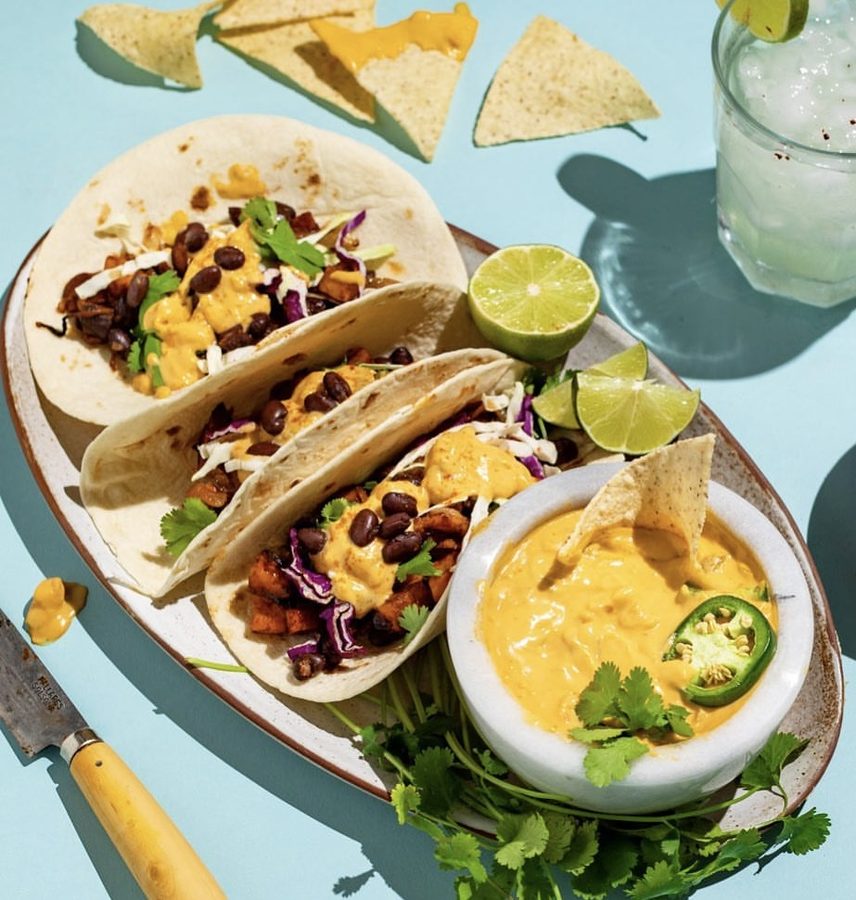
Credo Oat Milk Queso at 30 calories per serving is the best macro play in the cheese dip category. You can use a full serving without guilt. Salsa is the other obvious option. Fresh salsa is better than jarred, but if you choose jarred, watch the ingredient list for added sugar.
Avoid conventional queso or nacho cheese. Most run 80 to 100 calories per serving with soybean oil and high sodium. The macro difference between Credo queso and conventional is massive per dipping session.
For Pasta
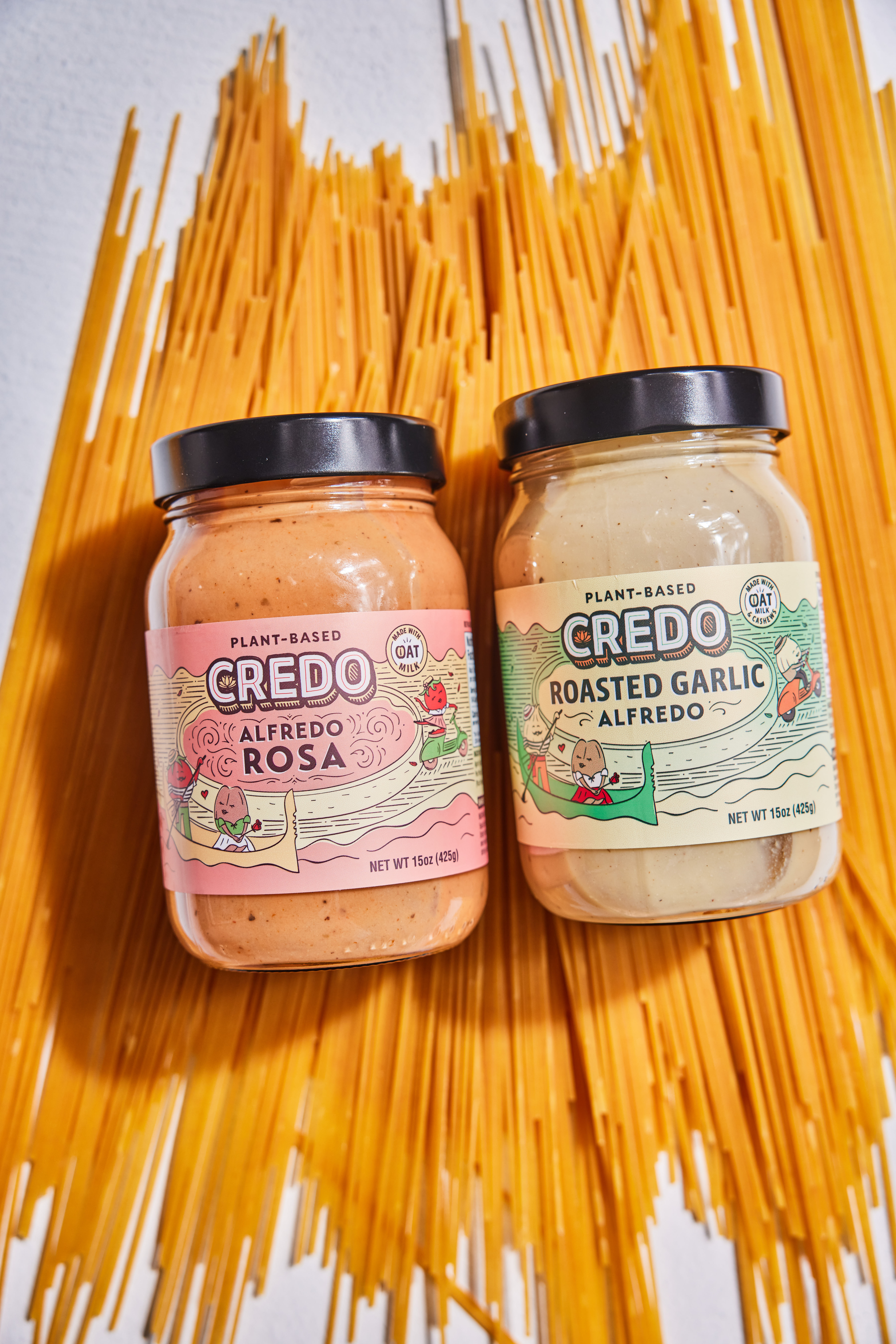
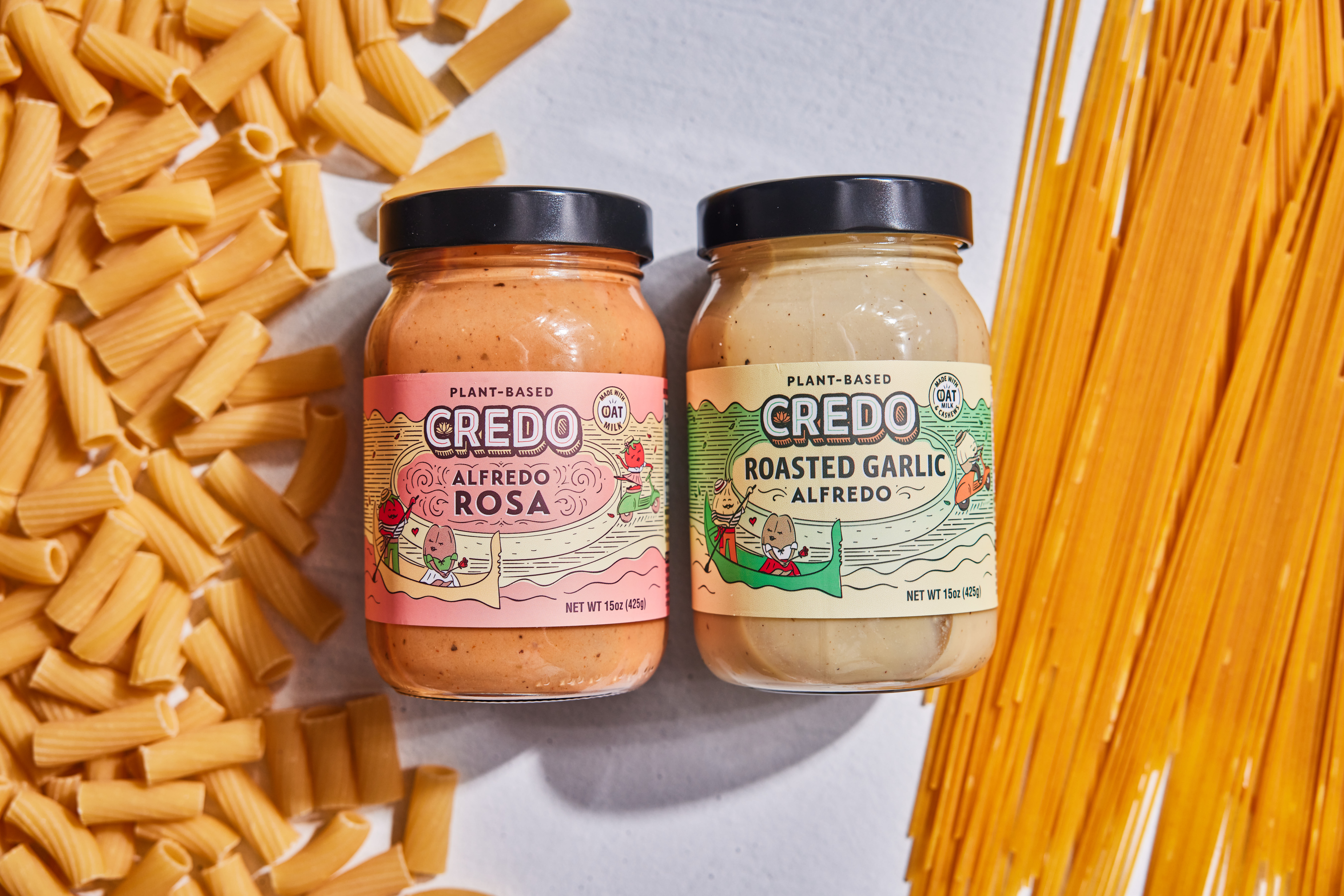
Conventional jarred alfredo is 100 or more calories per serving with heavy cream and cheese. Credo Roasted Garlic Alfredo at 40 calories per serving delivers the alfredo experience at less than half the calories. Credo Alfredo Rosa (the pink sauce option) is another great choice for pasta dishes.
If you are making pasta a regular part of your week, the sauce choice matters. Swapping conventional alfredo for Credo alfredo saves 60 calories per serving, which is 420 calories per week on a three-times-a-week pasta rotation.
How to Build a Macro-Friendly Fridge
Stock your fridge with condiments that deliver flavor without blowing the macro budget. Here is the specific lineup:
1 cheese sauce/queso. Credo Oat Milk Queso is 30 calories per serving. This is your chip dip, your taco topper, and your late-night snack solution.
2 hot sauces. Any vinegar-based hot sauce works. Look for zero added sugar. Hot sauce is free in terms of macros and delivers massive flavor.
1 pasta sauce. Credo Roasted Garlic Alfredo at 40 calories per serving. Use it on pasta, chicken, and vegetables. It is thick enough to be a sauce and thin enough to be a marinade.
1 mustard. Yellow or Dijon, zero calories. Mustard is the most underrated condiment for macro tracking.
1 salsa. Fresh is preferred. If you go jarred, check the label for added sugar. Most store-bought salsas run 5 to 15 calories per serving with little to no added sugar.
1 vinaigrette. Look for olive oil-based options with no canola or soybean oil. Olive oil is calorie-dense but whole food-based and flavorful.
Skip these entirely: ranch, caesar, blue cheese, and conventional jarred queso unless the label is exceptionally clean. Most conventional versions are calorie traps.
Frequently Asked Questions
What is the lowest calorie cheese sauce?
Credo’s Oat Milk Queso is 30 calories per serving, which puts it among the lowest-calorie cheese sauces available in grocery retail. Most conventional jarred quesos run 80 to 100 calories per serving. The calorie difference comes from the base: oat milk and cashews instead of cream and cheese.
Is queso macro friendly?
Conventional jarred queso is not. It runs 80 to 100 calories per serving with soybean oil and significant fat. Dairy-free queso made from oat milk or cashews is a much better macro fit. Credo’s Oat Milk Queso is 30 calories per serving, so you can use a full portion without blowing your budget.
Are dairy-free sauces lower in calories?
Often, yes. Dairy-free sauces built on oat milk or cashew bases tend to come in 30 to 50 calories per serving, compared to 80 to 150 for cream-based conventional versions. The caveat is that not all dairy-free sauces are created equal. Some use added oils that bring the calorie count back up. Check the fat source on the label.
What is a low calorie alternative to alfredo?
Credo’s Roasted Garlic Alfredo is 40 calories per serving and made from cashews and oat milk instead of heavy cream. Conventional jarred alfredo runs 80 to 100 calories per serving. The texture and flavor are close enough that most people cannot tell the difference in a pasta dish.
Are seed oils bad for macro tracking?
They are calorie-dense at 120 calories per tablespoon, which makes them easy to underestimate in a tracking context. One tablespoon of soybean oil added to a salad dressing adds more calories than the salad itself. For macro tracking purposes, condiments with whole food fats (cashews, olives) or no fat at all (mustard, hot sauce) are easier to account for accurately.
How many calories should be in one serving of sauce?
For a macro-friendly condiment, the target is under 50 calories per standard serving, usually 2 tablespoons. Under 30 is excellent. Anything over 80 calories per serving becomes a meaningful calorie commitment that needs to be tracked. Most conventional dressings and cheese sauces exceed that threshold.
What are the best high protein condiments?
Most condiments are not significant protein sources. The exceptions are hummus at 2 to 3 grams protein per 2 tablespoons, Greek yogurt-based dips, and some nut-based sauces. For most macro trackers, the protein comes from the food, not the sauce. The condiment goal is to add flavor without calories.
Does Credo Foods make low calorie sauces?
Yes. Credo’s Oat Milk Queso is 30 calories per serving, the Cashew Queso Blanco is 35, and the Roasted Garlic Alfredo is 40. All three are made from whole food fats (cashews and oats) with no dairy, no seed oils, and no artificial ingredients. They are available at shop.credofoods.com.