How K-12 Schools Are Solving the Allergen Problem at the Cheese Sauce Station
One in thirteen children in the United States has a food allergy. On a lunch line serving 400 kids, that’s roughly 30 students who need a different answer than the standard nacho cheese. For most school nutrition directors, the cheese sauce station has quietly become one of the highest-risk points of any service.
The good news: it doesn’t have to be.
Why Cheese Sauce Is a Hidden Allergen Minefield
Most conventional cheese sauces contain dairy — obviously — but also wheat (as a thickener), soy (in emulsifiers), and sometimes eggs. That’s three of the top nine allergens in a single ladle.
For a school serving students with multiple dietary restrictions, this means either pulling cheese sauce from the menu entirely, maintaining a separate allergen-safe station, or hoping nothing goes wrong. None of those are great options.
The operational cost of managing allergen incidents — documentation, staff training, liability exposure — is significant. And the reputational cost of getting it wrong is worse.
What “Top 9 Allergen Free” Actually Means on the Line
The FDA’s list of major food allergens includes milk, eggs, fish, shellfish, tree nuts, peanuts, wheat, soybeans, and sesame. A product labeled top-9-free contains none of them — verified, not assumed.
For K-12 foodservice, this matters for two reasons:
Regulatory compliance. Schools participating in USDA meal programs must accommodate students with documented food allergies as a disability under Section 504. Having a documented allergen-safe alternative simplifies that process considerably.
Operational simplicity. When a sauce is allergen-free across the board, you don’t need a separate prep line, separate utensils, or separate labeling for that item. It’s the same sauce for every student on the line. That’s the kind of simplification nutrition directors actually want.
The Practical Case for Dairy-Free Cheese Sauce in School Cafeterias
Dairy-free doesn’t mean flavor-free — and that distinction matters when you’re serving middle schoolers who will absolutely tell you if something tastes off.
The best dairy-free cheese sauces for institutional use are formulated to hold up under real service conditions: extended heat in a steam well, high-volume portioning, and the general chaos of a lunch rush. They should pour consistently, hold their texture for the duration of service, and taste like cheese sauce — not like a health compromise.
When evaluating options for your program, look for:
- Top 9 allergen free — verified, not just dairy-free
- Steam well compatible — designed for heat-and-hold, not just stovetop
- Shelf stable — reduces cold chain complexity and food waste
- Clean ingredient label — no artificial flavors, colors, or preservatives
- Calorie-appropriate — lower calorie density aligns with USDA nutrition guidelines
GLP-1 and the Next Wave of School Nutrition Policy
It’s worth noting a trend that’s just beginning to reach K-12: GLP-1 medications and metabolic health awareness are reshaping how institutions think about food. While GLP-1 medications are currently prescribed for adults, the underlying nutrition principles — lower calorie density, clean ingredients, satiety-focused eating — are influencing district wellness policy conversations.
Schools that start building cleaner, lower-calorie menu options now will be ahead of where policy is heading. A top-9-free, 50-calorie cheese sauce isn’t just an allergen solution — it’s also a smarter nutritional choice across the board.
FAQ
Can a dairy-free cheese sauce really satisfy students used to traditional nacho cheese?
Yes — when it’s formulated correctly. The key is a sauce that delivers the same rich, savory flavor and creamy texture students expect. Plant-based bases like cashew or oat can achieve this without the dairy. The proof is in the service: if students don’t notice, it’s working.
Does allergen-free cheese sauce require special storage or equipment?
A shelf-stable, top-9-free cheese sauce requires no refrigeration before opening and is steam well compatible — meaning it integrates directly into your existing service setup without additional equipment or training.
How does a dairy-free cheese sauce affect our USDA meal program compliance?
It simplifies it. Having a documented allergen-safe cheese sauce alternative gives you a cleaner path to accommodating students with dairy, wheat, or soy allergies under Section 504 requirements. Always verify specific compliance with your district’s nutrition specialist.
What’s the best application for allergen-free cheese sauce in a school setting?
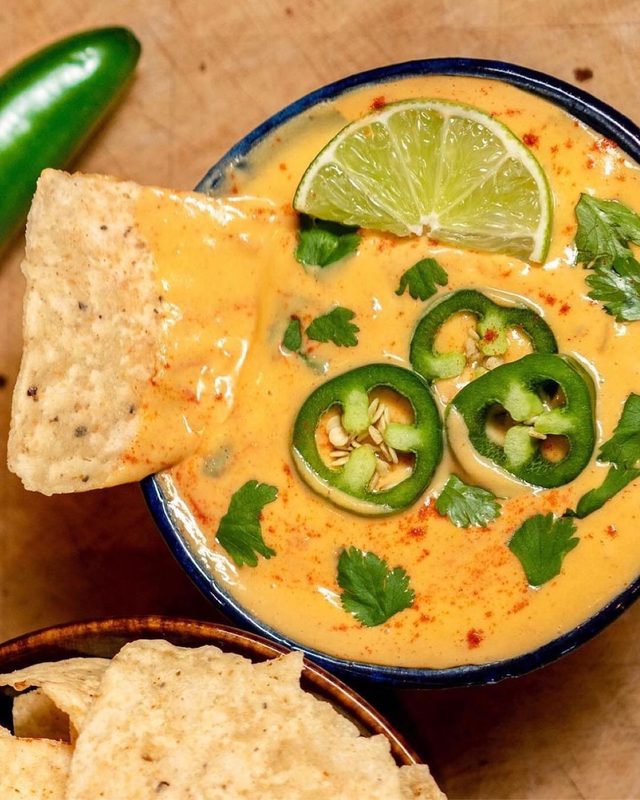
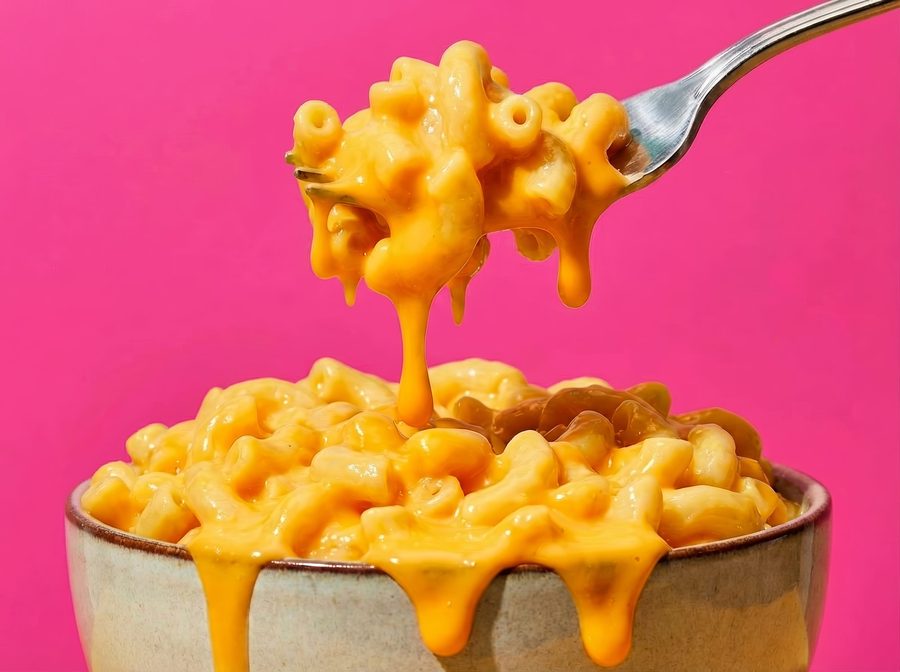
Mac and cheese, nacho bars, loaded baked potatoes, and burrito bowls are the most common high-volume applications. The sauce pours and portions identically to conventional cheese sauce, making it a true drop-in for any existing menu item.
Ready to Try It in Your Kitchen?
Credo’s Chef-Crafted Cheese Sauce is top 9 allergen free, shelf stable for 545 days, and steam well ready. We ship free samples directly to school kitchens — no commitment, no middleman.