Why Hospitals and Healthcare Dining Are Rethinking the Cheese Sauce on Their Menus
Forty million Americans are currently taking GLP-1 medications like semaglutide. A significant percentage of them are hospital patients, outpatients, or visitors eating in your cafeteria right now.
Healthcare foodservice has always been about meeting patients where they are nutritionally. GLP-1 medications are changing where that is — and the menus that haven’t caught up are starting to show it.
What GLP-1 Users Actually Need From a Menu
GLP-1 medications work by slowing gastric emptying and reducing appetite. People on these medications typically eat smaller portions, feel fuller faster, and are highly attuned to ingredient quality. They’re not just watching calories — they’re actively avoiding ultra-processed foods, excess sodium, and artificial additives.
For healthcare dining, this creates a specific set of menu pressures:
- Lower calorie density — patients need satisfaction from smaller portions
- Clean ingredient labels — ultra-processed foods feel incompatible with a medication-assisted health journey
- Protein-forward options — GLP-1 users prioritize protein to preserve lean mass
- No artificial anything — flavors, colors, and preservatives are increasingly on the “avoid” list
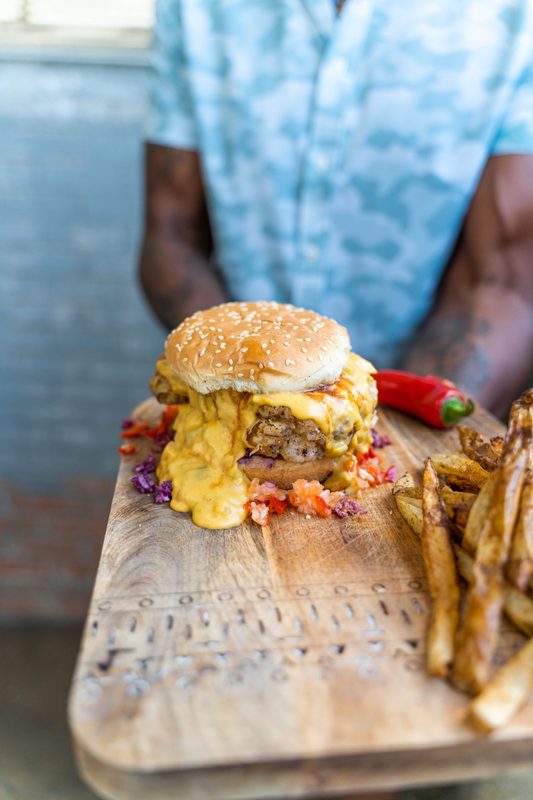
The comfort food stations — mac and cheese, pasta, cheese-sauced proteins — aren’t going away. But the ingredients powering them need to evolve.
The Problem With Traditional Cheese Sauce in a Healthcare Setting
Conventional cheese sauces are typically high in saturated fat, sodium, and calories, and often contain artificial flavors, preservatives, and thickeners. For a general population cafeteria, that’s acceptable. For a healthcare environment serving patients with metabolic conditions, cardiovascular concerns, or diabetes — which describes a significant portion of any hospital’s patient population — it’s increasingly hard to justify.
There’s also the allergen dimension. Hospital patients are often immunocompromised, on medication regimens that affect digestion, or recovering from procedures. A cheese sauce that contains dairy, wheat, and soy is a liability risk in a way it simply isn’t in other foodservice environments.
What Clean-Label Dairy-Free Cheese Sauce Looks Like for Healthcare Dining
The ideal cheese sauce for a hospital cafeteria or healthcare dining program checks several boxes simultaneously:
Allergen safety. Top-9-free means dairy, wheat, soy, eggs, tree nuts, peanuts, fish, shellfish, and sesame are all absent. For a patient population with unpredictable dietary restrictions, this is the safest possible baseline.
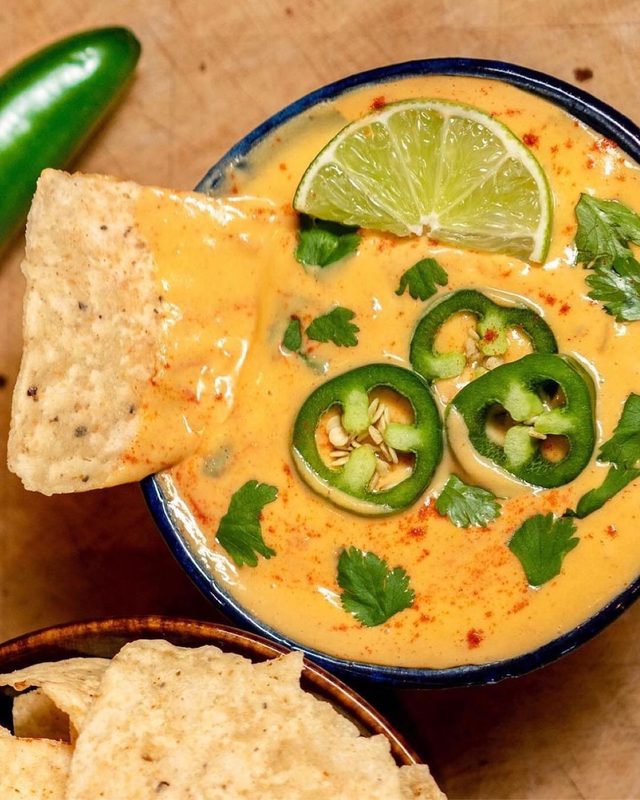
Calorie-appropriate. A well-formulated plant-based cheese sauce can deliver the flavor and texture of conventional cheese at 50 calories per serving — less than half the calorie load of most traditional options.
Clean label. No artificial flavors, no artificial colors, no preservatives. The ingredient list should be short and recognizable — the kind of label a patient’s nutritionist would approve without hesitation.
Heat-and-hold stability. Healthcare foodservice runs extended service windows. A cheese sauce that breaks, separates, or dries out after 90 minutes creates waste and inconsistency. The sauce needs to hold in a steam well across the full service period.
Where Plant-Based Cheese Sauce Fits on a Healthcare Menu
The applications are broader than most operators initially assume:
- Mac and cheese — the most intuitive drop-in, high patient satisfaction scores
- Soup base — adds body and creaminess to vegetable-forward soups without dairy
- Loaded potato bar — high customization, works for patients across dietary profiles
- Veggie bowls — cheese sauce as a warm topping elevates plant-forward dishes without compromising the nutrition profile
- Breakfast dishes — grain bowls, savory breakfast builds
In each case, the sauce functions identically to conventional cheese sauce operationally — same steam well, same portioning, same service. The difference is in what it’s made from and who can safely eat it.
The Broader Trend: Healthcare Dining as a Clinical Statement
Progressive hospital systems are beginning to treat their cafeteria menus as an extension of their clinical philosophy. If a hospital is treating patients for metabolic disease, diabetes, or obesity — and then serving ultra-processed food in the cafeteria — there’s a credibility gap.
Plant-based, clean-label, allergen-safe menu options don’t just serve GLP-1 users. They signal to every patient, visitor, and staff member that the institution takes nutrition seriously. That’s becoming a differentiator in a sector where patient experience scores matter more than ever.
FAQ
Are GLP-1 patients a significant enough population to warrant menu changes?
With over 40 million Americans currently on GLP-1 medications and prescriptions growing rapidly, yes — especially in healthcare settings where this population is concentrated. But the menu changes that serve GLP-1 users also serve a much broader patient population.
Does dairy-free cheese sauce satisfy patients who are used to traditional options?
When formulated correctly, yes. The target is indistinguishable flavor and texture — a sauce that satisfies the craving without the patient needing to know or care that it’s dairy-free.
How does this affect our foodservice vendor relationships and ordering process?
A shelf-stable, allergen-free cheese sauce simplifies procurement. No cold chain requirements before opening, longer shelf life reduces waste, and a single SKU covers allergen-safe needs across multiple menu applications.
Can we use it for patient tray service as well as cafeteria line service?
Yes. The sauce performs in both contexts — steam well for cafeteria line service, and portioned directly for patient tray applications where temperature control is managed differently.
Interested in Sampling for Your Program?
Credo’s Chef-Crafted Cheese Sauce is 50 calories per serving, top 9 allergen free, and shelf stable for 545 days. We work directly with healthcare foodservice operators and will connect you with the right distribution partner for your region.