How to Build an Allergen-Friendly Restaurant Menu Without Losing the Indulgence Factor
One in ten adults in the US has a food allergy. At a restaurant doing 200 covers a night, that’s 20 guests who are silently scanning your menu for something they can actually eat — and often settling for a side salad.
The opportunity isn’t just serving those guests. It’s serving them something they actually want. Allergen-friendly and indulgent are not opposites. Here’s how operators are closing that gap.
Why “Safe” Menus Have a Bad Reputation
Most allergen-friendly menu items are afterthoughts — the grilled chicken breast, the steamed vegetables, the “can you just leave off the cheese?” modification. They’re safe but they’re not satisfying, and they signal to guests with dietary restrictions that the kitchen didn’t really think about them.
The shift is in treating allergen-free as a design constraint, not an accommodation. When you build a dish to be top-9-free from the start, rather than stripping components out of an existing dish, you get a better result.
The Cheese Sauce Problem — and the Fix
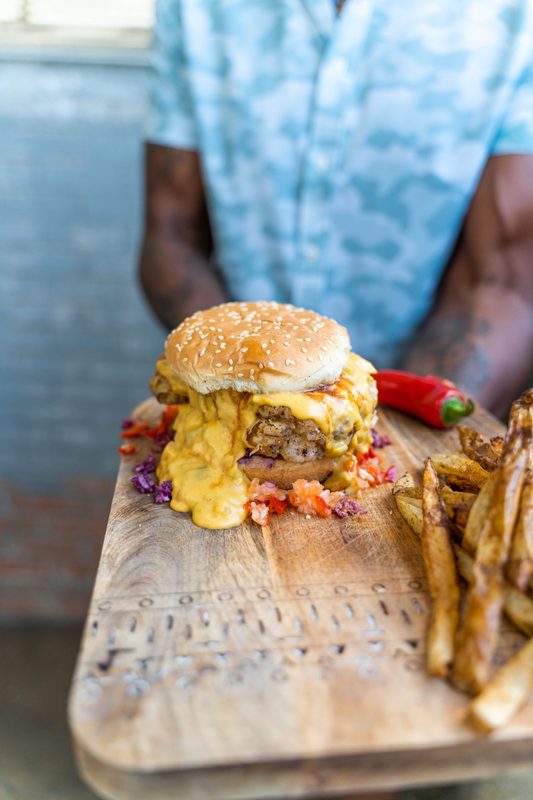
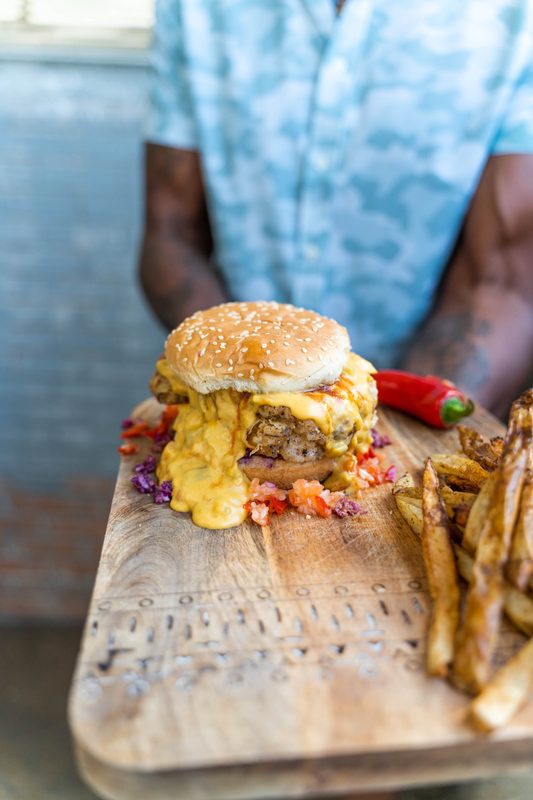
Cheese sauce is the indulgence factor on a huge swath of restaurant menus — nachos, burgers, mac and cheese, loaded fries, pasta. It’s also a dairy delivery vehicle, which means it’s off-limits for a significant portion of your guests.
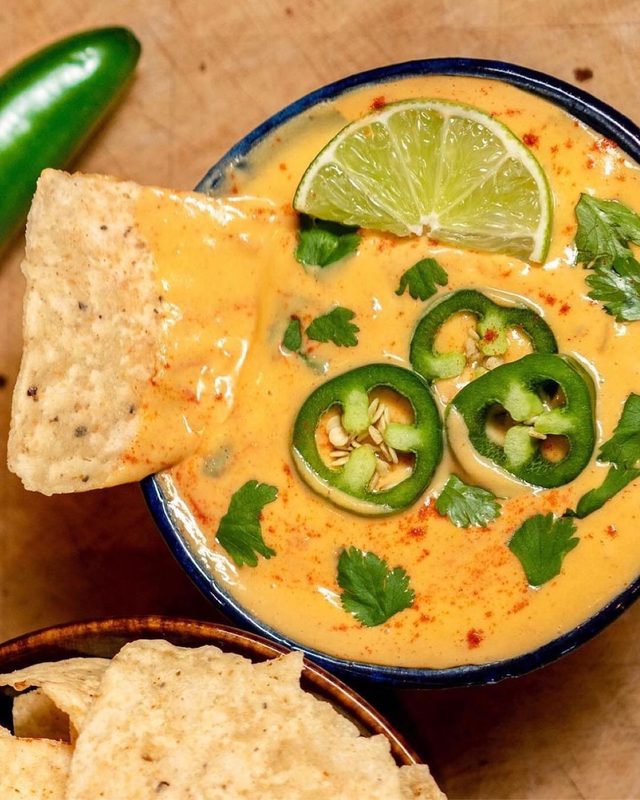
A top-9-free, plant-based cheese sauce solves this without a menu redesign. Same applications, same stations, same service — but now every guest at the nachos station can order without modification. The dish doesn’t become “the allergen-friendly nachos.” It’s just nachos, and they happen to work for everyone.
Building Indulgence Into Allergen-Free Dishes
Indulgence comes from richness, flavor intensity, and satisfaction — none of which require dairy, gluten, or soy. The tools:
Fat. Cashew-based sauces, avocado, quality oils, and coconut cream deliver richness without dairy. A cashew queso has a naturally creamy, indulgent body that conventional cheese sauce can’t match on texture alone.
Umami. Roasted vegetables, caramelized onions, miso (check for soy), and nutritional yeast build savory depth that makes a dish feel substantial even without meat or dairy.
Texture contrast. Crunchy elements — toasted seeds, crispy shallots, fried plant proteins — add the textural satisfaction that makes a dish memorable.
How to Market It Without Making It Weird
Lead with the dish, not the restriction. “Cashew queso nachos” is more appetizing than “dairy-free nachos.” “Loaded fries with house cheese sauce” doesn’t need to mention that the sauce is plant-based — unless a guest asks, at which point it’s a selling point, not a disclaimer.
FAQ
Do we need to retrain kitchen staff for allergen-free menu items?
If you’re using drop-in substitutions — like a top-9-free cheese sauce replacing a conventional one — minimal retraining is required. The process is the same; the ingredient is different.
How do we handle cross-contamination for allergen-free dishes?
Dedicated utensils and clear preparation protocols are standard. If the sauce itself is top-9-free, you’ve eliminated the highest-risk allergen vector at the most common station.
Will guests who aren’t avoiding allergens notice the difference?
With a well-formulated plant-based cheese sauce, most won’t. Run it without announcement and track guest feedback — if complaints don’t increase and compliments stay consistent, you have your answer.