Why We Cook Without Oil (And What We Use Instead)
Refined oil is one of the most processed ingredients in the modern kitchen. It doesn’t look ultra-processed, it doesn’t taste ultra-processed, and for decades we’ve been told certain oils are health foods. But when you look at what oil actually is and how it’s made, the picture changes fast.
This is the case for oil-free cooking. Not as a restriction, but as a trade-up. Whole food fats like cashews, seeds, and tahini give you everything oil was supposed to provide and a lot more.
What Refined Oil Actually Is
Oil doesn’t grow on trees. Well, olives and avocados do, but the bottled oil you drizzle on your salad went through an industrial process before it got there.
Producing refined oil typically involves high-heat extraction, chemical solvents (in many cases), deodorization, and bleaching. The result is a product that is nearly 100% fat, with the fiber, protein, water, and most micronutrients from the original food stripped out entirely.
By NOVA food classification standards, refined oils fall into NOVA Group 4: ultra-processed foods. That’s the same group as fast food and packaged snacks. The classification isn’t about ingredients being bad. It’s about how far removed the product is from its whole food origin.
The Calorie Density Problem
All refined oils are about 120 calories per tablespoon. Compare that to the whole food they came from:
- One ounce of almonds: 164 calories, 6g protein, 3.5g fiber
- One ounce of cashews: 157 calories, 5g protein, 1g fiber
- One tablespoon of tahini: 89 calories, 2.6g protein, 1.4g fiber
Whole food fats come packaged with protein and fiber, which means they digest more slowly and keep you fuller longer. This is especially relevant if you’re tracking macros, managing your weight, or on a GLP-1 medication. Every calorie in a cooking-oil-heavy diet is doing less work for you than a calorie from a whole food fat source.
The Whole Food Fats That Actually Work
Cashews
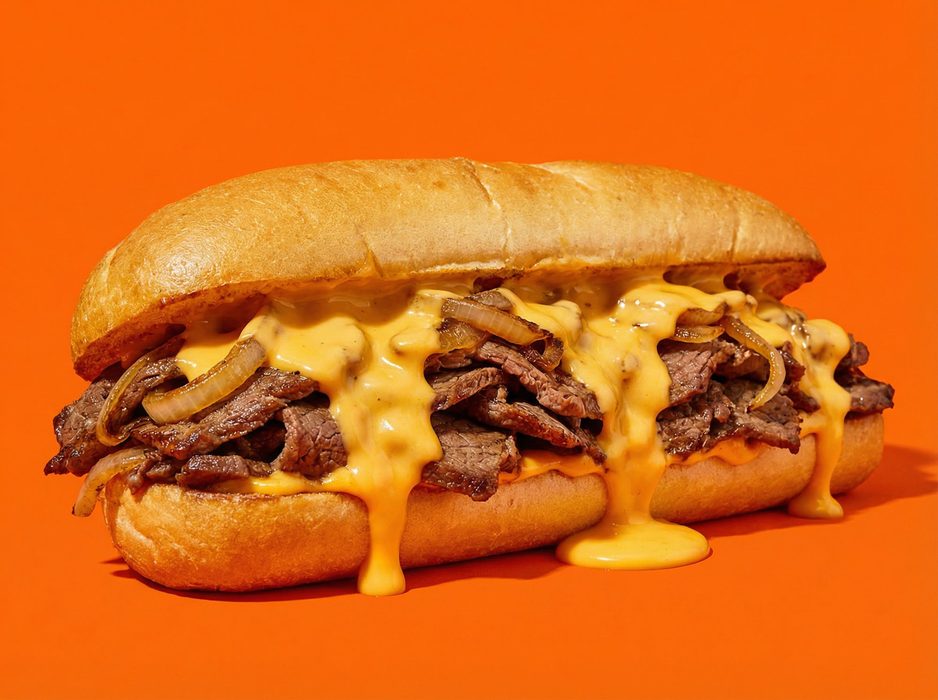
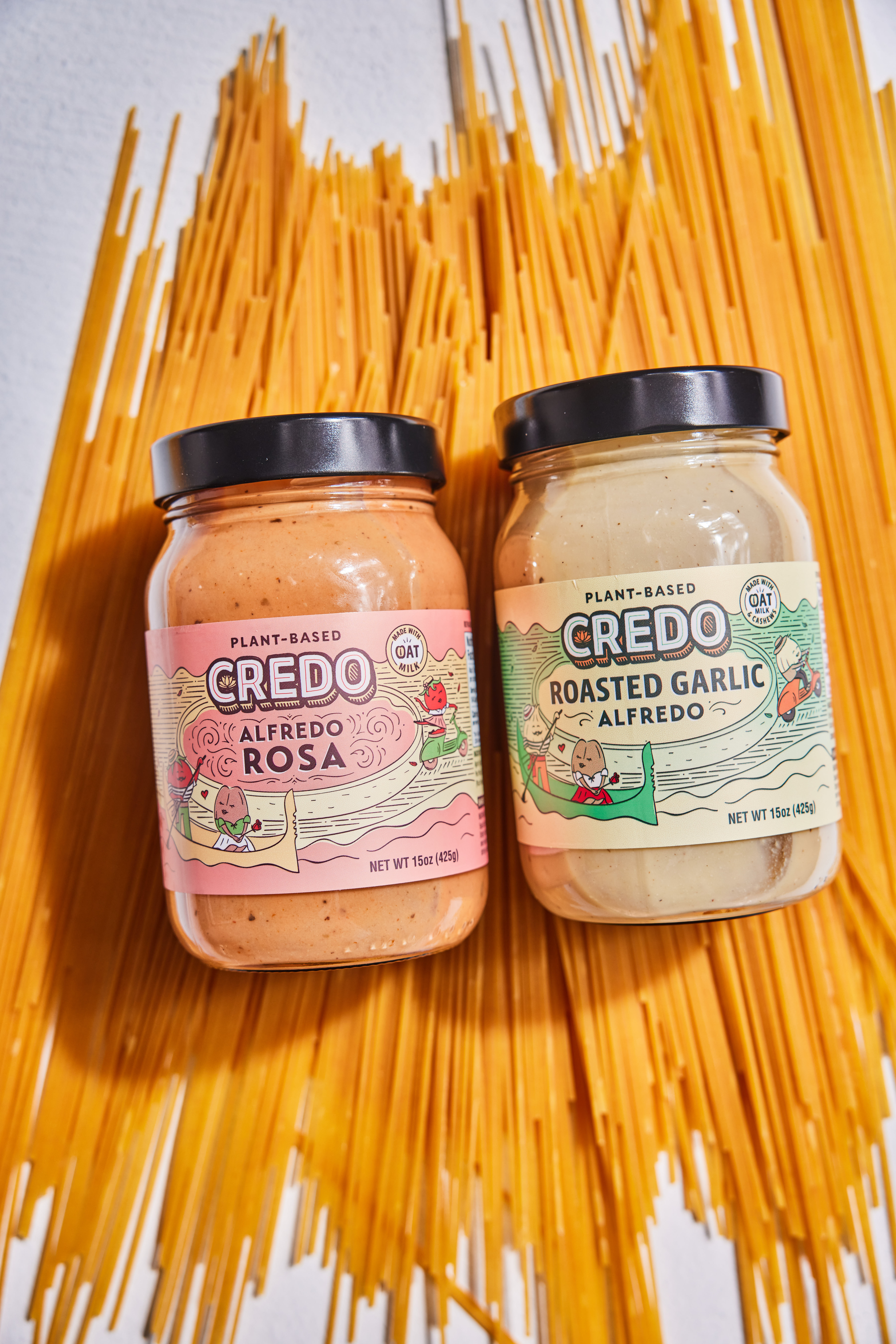
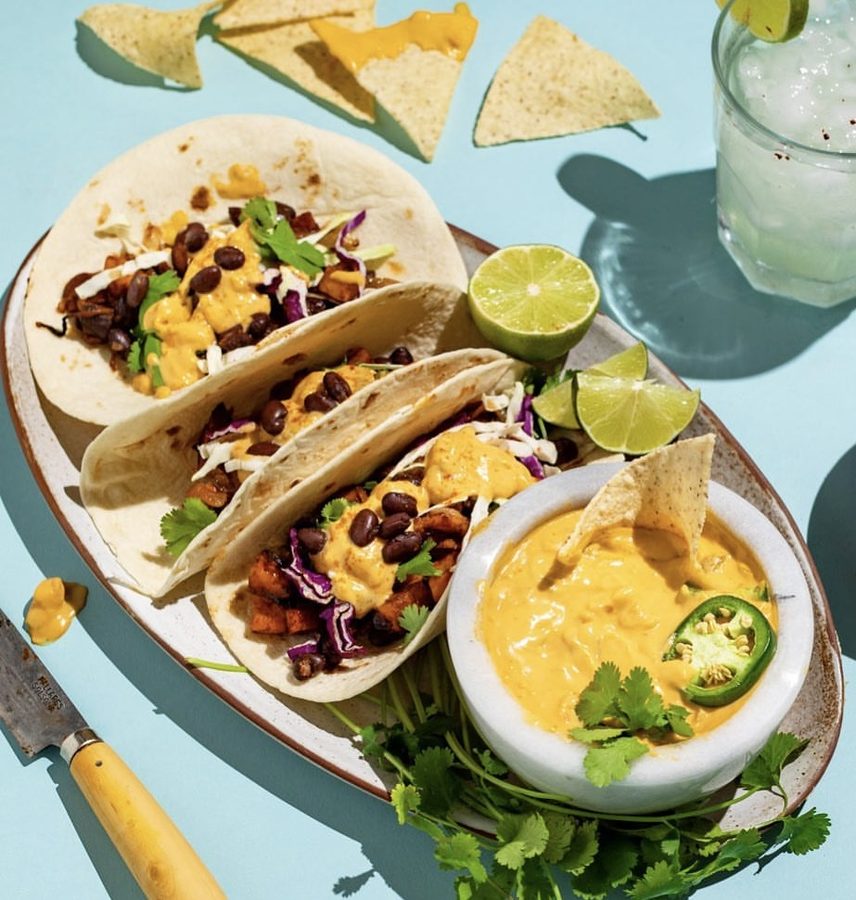
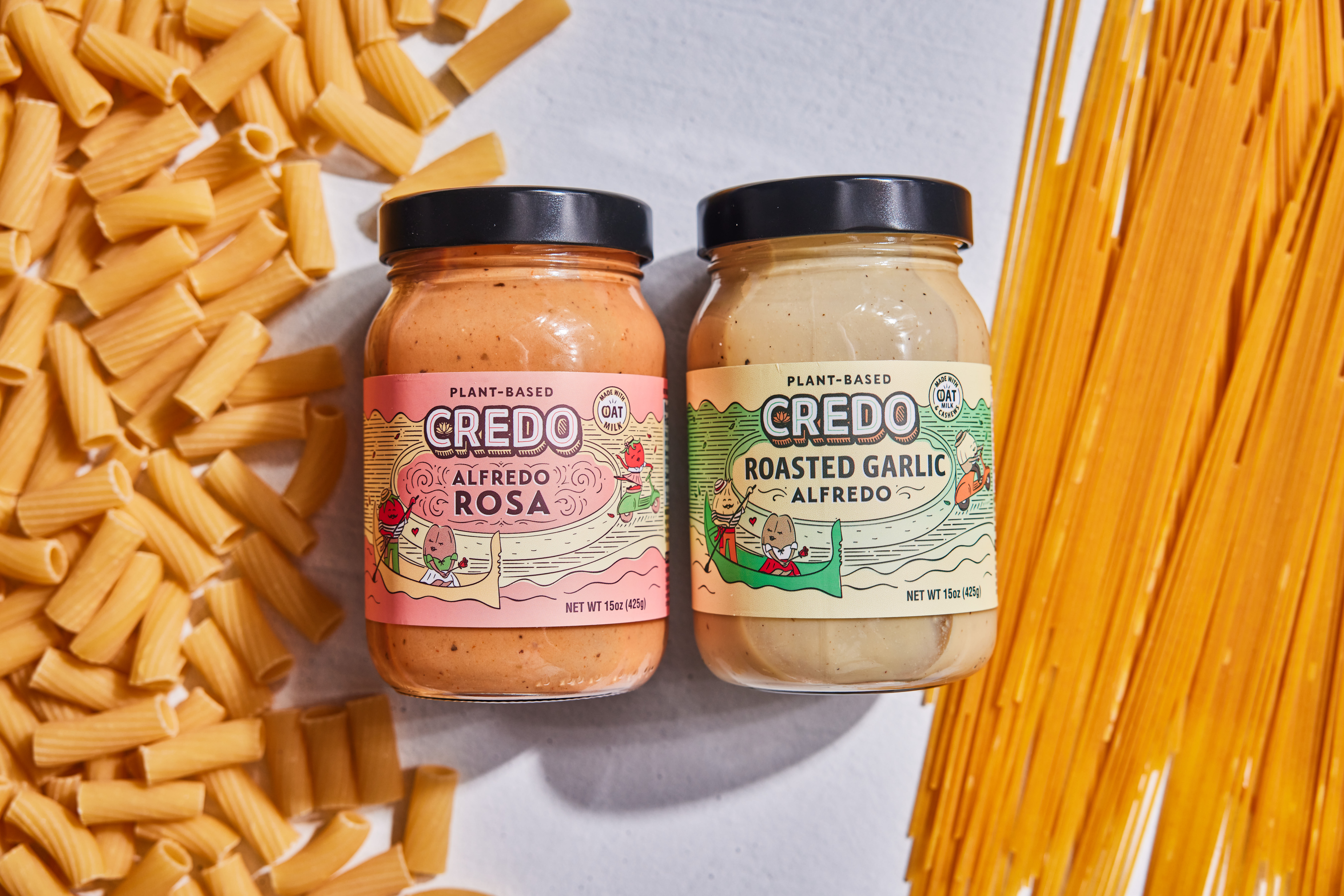
Cashews blend into one of the creamiest, most versatile bases in plant-based cooking. This is exactly what Credo’s queso and alfredo sauces are built on. Instead of using refined vegetable oil as the base (which most dairy-free cheese sauces do), we use cashews. The result is a sauce with 5 grams of protein per serving and a fat profile that comes from a whole food, not a processing plant.
Tahini
Tahini is sesame seeds ground into a paste. Unlike sesame oil, it retains the protein and fiber from the whole seed. It’s the base of hummus, it works as a salad dressing thinned with lemon juice and water, and it adds a nutty depth to grain bowls and roasted vegetables.
Avocado
Whole avocado provides the same creamy fat as avocado oil but with fiber, potassium, and a texture that actually satisfies. Sliced in a salad, mashed on a grain bowl, or blended into a sauce, avocado is the whole food version of the oil it came from.
Nut Butters
Almond butter, peanut butter, and sunflower seed butter all work as sauce bases, dressing components, and stir-fry finishes. Natural nut butters with no added oil give you healthy fats, protein, and fiber in one ingredient.
Coconut Milk (Full-Fat)
Full-fat coconut milk from the can is a minimally processed fat source that works in curries, soups, and grain dishes. It’s still higher in saturated fat, so it’s not an everyday ingredient for everyone, but it’s a whole food option for dishes where you want that richness.
How to Cook Without Oil in Practice
Sauteing
Water or broth sauteing works well for most vegetables and aromatics. Add a small splash of water or vegetable broth to the pan before your onions, garlic, or peppers. The steam does the same softening work that oil was doing. You’ll need to add liquid in small amounts as it evaporates.
Roasting
Vegetables roast well without oil when you use parchment paper and a slightly higher temperature. Toss your vegetables in a small amount of sauce (like Credo queso or a tahini-lemon mix) before roasting and you get more flavor, not less.
Sauces and Dressings
A cashew-based or tahini-based dressing brings fat, flavor, and protein in one shot. Blended cashews with lemon juice, garlic, nutritional yeast, and salt create a dressing that is richer and more satisfying than most oil-based vinaigrettes.
What About Olive Oil?
Olive oil has strong epidemiological associations with Mediterranean diet and heart health. But whole olives have fiber, water, and a lower calorie density per gram than olive oil. The research on olive oil is largely based on replacing other refined fats. If your alternative is seed-oil-free condiments and cashew-based sauces, the math changes considerably.
How Credo Fits In
Most dairy-free products lean on refined oils as the fat base. Credo uses cashews instead. The queso has 5g of protein per serving. The alfredo has the richness of a cream sauce without the dairy or the refined oil. These are among the few genuinely non ultra-processed options in their category.
Frequently Asked Questions
Is oil-free cooking the same as low-fat cooking?
No. Oil-free cooking focuses on replacing refined extracted fats with whole food fats. Fat intake can stay similar while the food quality improves significantly.
Does food taste worse without oil?
In most cases, no. Refined oil has very little flavor on its own. Oil-free sauces and dressings made from whole food fats often taste richer and more complex because the base ingredient has actual flavor.
Is oil-free the same as Whole30 or WFPB?
Oil-free eating overlaps with whole food plant-based (WFPB) diets. Whole30 has different rules and does allow some oils. Oil-free is its own framework focused on minimizing ultra-processed fats regardless of other dietary choices.
What about omega-3s from flaxseed oil or fish oil?
Whole food sources of omega-3s include flaxseeds, chia seeds, hemp seeds, and walnuts. These provide the same fatty acids in a less processed form with added fiber and protein.