Vegan Cheese Sauce for Restaurants: What Actually Holds Up on the Line
Any restaurant operator who has tried a plant-based cheese sauce knows the failure modes: it separates in the steam well, develops a skin after 30 minutes, tastes like cashews instead of cheese, or thins out to the consistency of warm water by the end of service. These aren’t inevitable problems — they’re signs of a sauce that wasn’t formulated for foodservice.
Here’s what to evaluate before committing to a vegan cheese sauce for restaurant service.
The Four Tests That Matter
Heat stability. Put it in a steam well at service temperature (140–165°F) and leave it for 90 minutes without stirring. A sauce formulated for foodservice holds its emulsion. One that isn’t will show oil separation and texture breakdown within the first hour.
Pour consistency. Does it pour and portion the same from the first ladle to the last? Sauces that thicken as they hold create inconsistent portions and frustrated line cooks. Sauces that thin out create soggy nachos and guest complaints.
Flavor integrity. Taste it at the start of service and again at the 90-minute mark. The flavor should be essentially unchanged. Plant-based sauces can develop off-notes — nuttiness, slight fermentation, or a flat aftertaste — as they hold. That’s a formulation problem.
The blind test. Run it on one application without telling your guests. If complaints don’t go up, it passes. This is the only test that actually matters for your specific customer base.
Cashew vs. Oat: Which Base Performs Better for Restaurants
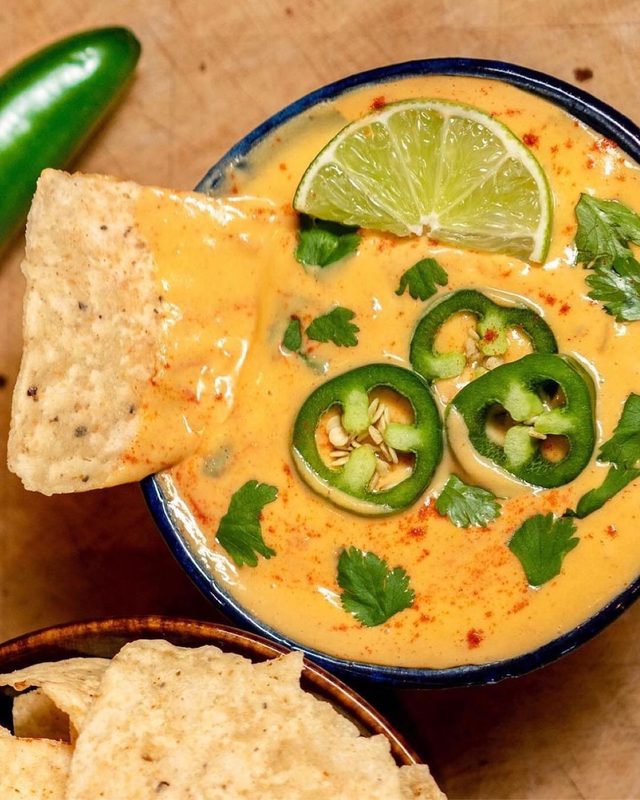
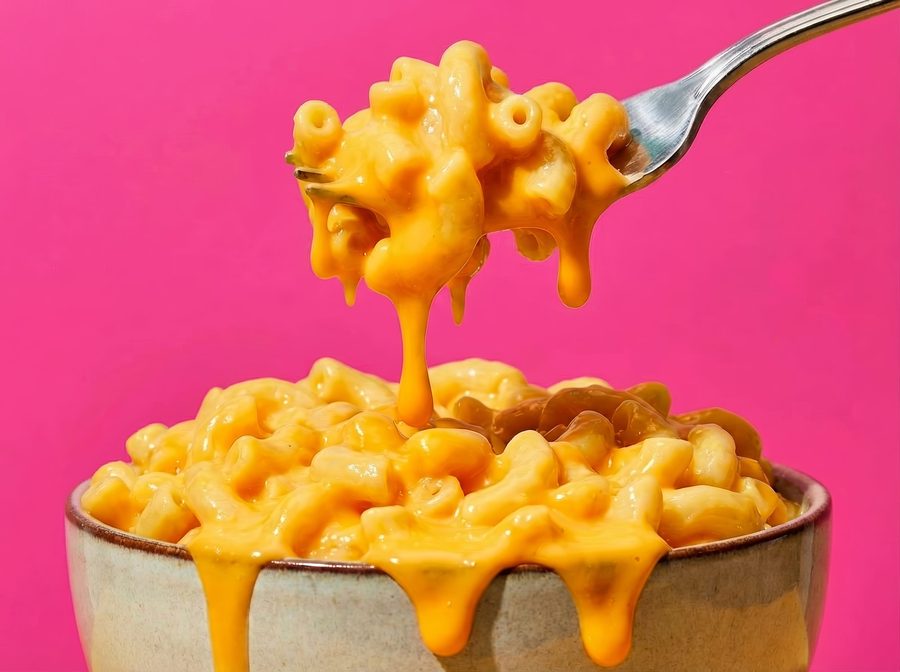
For chef-driven applications — premium nachos, Tex-Mex builds, upscale mac and cheese — cashew-based queso delivers a richer body and more complex flavor. It holds well under moderate heat and has a naturally creamy texture that reads as indulgent.
For high-volume, speed-of-service environments — stadium concessions, fast casual nacho bars, cafeteria lines — an oat-based cheese sauce is often the better operational fit. Lighter body, more neutral flavor, and specifically formulated for extended steam well hold times.
What to Ask Your Supplier
Before trialing any vegan cheese sauce in your kitchen: ask for a spec sheet confirming steam well compatibility, a shelf life and storage requirements summary, and whether the product has been tested in commercial foodservice environments. Any supplier worth working with will have this documentation ready.
FAQ
Can vegan cheese sauce be reheated for a second service?
Yes — reheat slowly over indirect heat or in the steam well, stirring occasionally. Avoid microwaving large quantities. Bring it up gradually and it will hold again without significant texture loss.
What’s the typical shelf life for a shelf-stable vegan cheese sauce?
Quality shelf-stable plant-based cheese sauces run 500+ days unopened at ambient temperature. Once opened, refrigerate and use within 7–10 days — same protocol as conventional cheese sauce.
How does it perform for high-volume nacho service specifically?
A sauce formulated for foodservice holds consistently through a 2–3 hour service window with minimal attention. Stir once at the start, keep covered between rushes, and maintain water level in the steam well.